
Who Will Be Next Fed Chair? Trump Hints Hassett to Stay
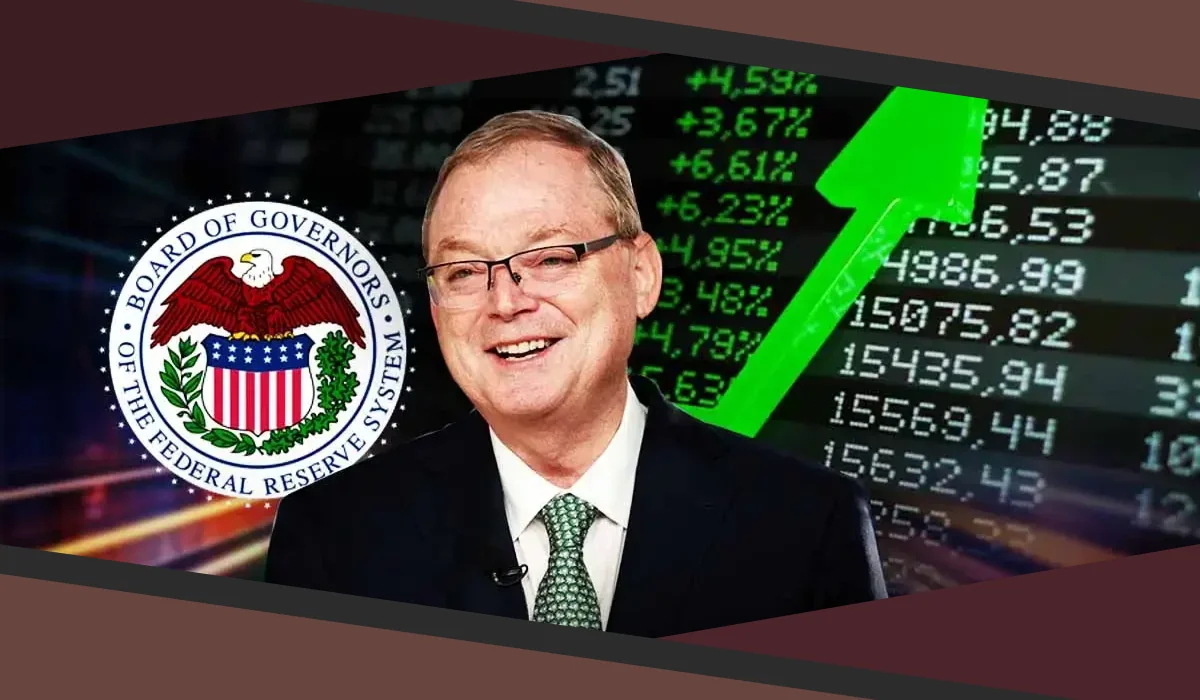
The ongoing discussion about the future leadership of the Federal Reserve has taken a fresh turn as former President Donald Trump hints at Kevin Hassett, his senior economic advisor, potentially remaining in his White House position rather than transitioning to the coveted role of Fed Chair. This development fires up debates about the implications for market dynamics, policy direction, and the upcoming race for the Fed’s top spot. Understanding the current landscape requires examining the key players, political signals, and the broader economic context shaping the decision.
Background on the Fed Chair Selection Process
The Chair of the Federal Reserve is a critical figure in shaping U.S. monetary policy, influencing interest rates, inflation, and overall economic stability. The transition occurs when the current chair, Jerome Powell, prepares to step down on May 15. Historically, the selection process involves political considerations, economic outlooks, and the preferences of the sitting administration.
Recent shifts have seen intense speculation about potential replacements, with candidates from both regulatory and financial backgrounds vying for the position. The race is narrowing as key candidates like Fed governor Christopher Waller, former Fed governor Kevin Warsh, and investment executive Rick Rieder gain prominence.
Trump Signals Hassett to Stay at White House
In a significant move, former President Donald Trump has indicated that Kevin Hassett might remain in his role within the White House rather than pursuing the Fed Chair position. According to reports, Trump’s remarks at a recent event suggested a preference for Hassett to stay put, which has impacted market expectations and political dynamics surrounding the Fed nomination.
White House economic adviser Kevin Hassett currently heads the National Economic Council and has been considered a leading contender to succeed Jerome Powell. However, Trump’s signals seem to disqualify him from the Fed’s top role, favoring continuity within the White House’s economic team.
The significance lies in the fact that Hassett’s retention at the White House could effectively remove him from the pool of Fed Chair candidates, signaling a potential shift toward other figures with different backgrounds and policy leanings.
Potential Candidates for the Next Fed Chair
1. Christopher Waller
- Current Fed governor with a background rooted in monetary policy and economic research.
- Known for pragmatic, data-driven decision-making.
- Gaining support among lawmakers familiar with his stance on inflation and employment.
2. Kevin Warsh
- Former Fed governor with a strong influence in Wall Street circles.
- Endorsed by some political factions for his hawkish stance on inflation control.
- Historically viewed as a candidate with a balance of regulatory insight and market experience.
3. Rick Rieder
- Senior executive at BlackRock, one of the world’s leading investment management firms.
- Gaining traction as a candidate with a market-oriented approach and extensive financial market experience.
- Favorable in certain Senate circles due to his industry ties and practical outlook on monetary policy.
The Implications of the Political Signals
The signals from Trump regarding Hassett’s role influence the candidate landscape profoundly. By suggesting Hassett remain at the White House, the political leadership may be signaling a preference for stability and continuity over bold policy shifts that a new Fed Chair might pursue.
This move could also shift the nomination race towards candidates with explicit market experience and a strong monetary policy record, such as Waller or Rieder, rather than politically-aligned or academic figures.
Moreover, the current environment, characterized by discussions around inflation, interest rate hikes, and the aftermath of recent banking sector turbulence, demands a leader equipped to navigate complex market and economic conditions.
How the Future Fed Chair Will Shape Monetary Policy
The choice of Fed Chair will significantly impact the trajectory of U.S. monetary policy, particularly in the following ways:
- Interest Rate Decisions: Whether to tighten or loosen monetary policy to tackle inflation or support growth.
- Market Stability: The new chair’s approach could calm or stir volatility, depending on their stance and communication style.
- Regulatory Focus: The balance between market-friendly policies and financial sector oversight.
Given the current geopolitical and economic circumstances, the next Fed Chair’s approach will be pivotal in shaping not only domestic policy but also the global financial landscape.
FAQs
1. Will Kevin Hassett still be considered for the Fed Chair position?
Based on recent signals from President Trump, it appears Hassett’s chance to become Fed Chair has diminished as he is being encouraged to remain at the White House. However, political developments could still influence the final decision.
2. Who are the main contenders for the Fed Chair now?
The leading candidates include Federal Reserve governor Christopher Waller, former Fed governor Kevin Warsh, and BlackRock’s Rick Rieder, each bringing distinct backgrounds and policy perspectives.
3. How does the President’s support or signals affect the nomination?
Presidential signals are influential, especially in a politically polarized environment. Support can expedite confirmation processes, while signals opposing a candidate can hinder their prospects.
4. What market impacts might result from the upcoming Fed Chair choice?
The market often reacts to expectations about the Fed’s policy stance. A candidate perceived as hawkish might drive bond yields higher and stocks lower, while a dovish approach could have the opposite effect.
Conclusion
The upcoming selection of the Fed Chair remains a critical event for the U.S. economy and global markets. President Trump’s recent signals suggesting Hassett to stay at the White House indicate a possible shift towards continuity, but the competition among other top-tier candidates continues to shape expectations. Market participants and policymakers alike are closely watching developments, recognizing that the next Fed leader will significantly influence interest rate policies, inflation management, and financial stability in the months ahead. As political signals continue to evolve, remaining informed about these dynamics is essential for understanding the broader economic trajectory.
