
Venezuela’s USDT Rush: How Stablecoins Become Lifeboats
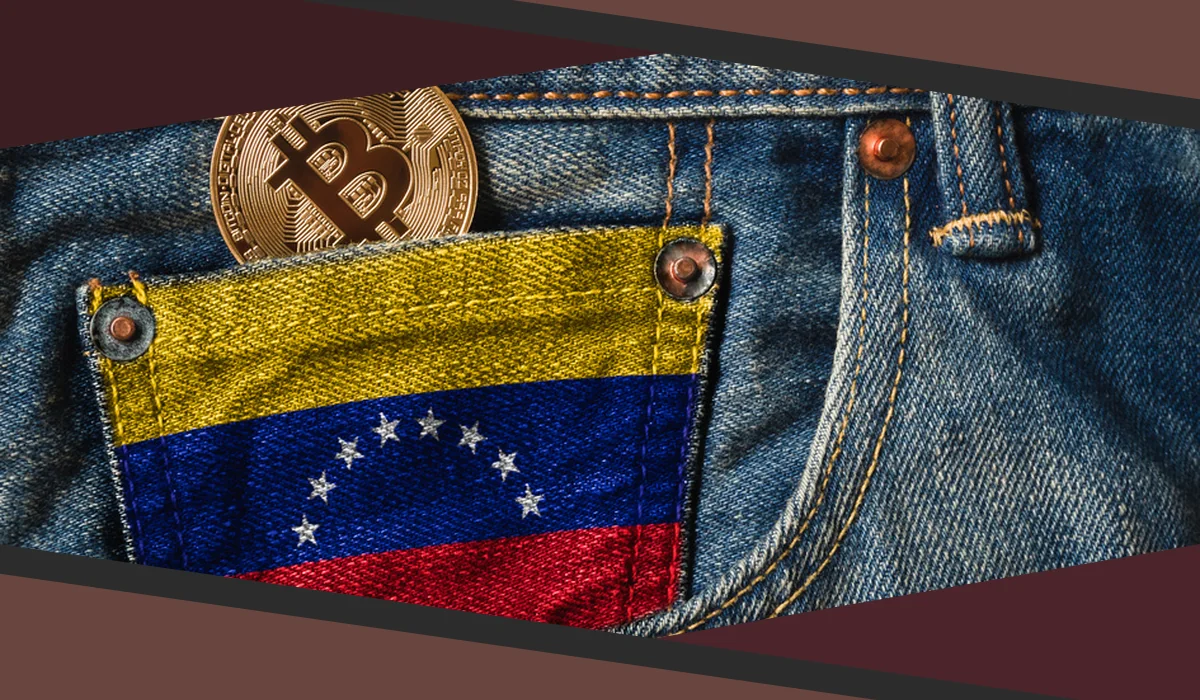
In recent years, Venezuela has become a striking example of how stablecoins, particularly USDT (Tether), transform from mere digital assets into essential lifelines amid political instability and economic collapse. The surge in demand for USDT in Venezuela underscores a broader trend where stablecoins serve as vital financial lifeboats when traditional state-issued currencies and banking systems show signs of failure. This phenomenon reveals both the resilience and the vulnerabilities of digital assets operating outside conventional financial infrastructures.
Background: Economic and Political Turmoil in Venezuela
Venezuela has endured years of severe economic decline characterized by hyperinflation, currency devaluation, power struggles, and political upheaval. The bolívar, the national currency, has drastically lost value, eroding savings and making everyday transactions increasingly difficult. Government credibility has plummeted, and many Venezuelans face restricted access to foreign currencies and stable payment channels.
In this context, the traditional financial system offers limited safety or stability. Capital controls, currency restrictions, and the risk of asset confiscation have pushed users toward alternative financial solutions, particularly those that bypass government controls.
Why Stablecoins, Particularly USDT, Became a Key Solution
The Role of Stablecoins During Crises
When trust in local fiat currencies is shattered, stablecoins, especially USDT which is pegged 1:1 to the US dollar, emerge as practical alternatives. Unlike volatile cryptocurrencies like Bitcoin, stablecoins aim to maintain a stable value, making them suitable for preserving purchasing power and conducting transactions in unstable economic environments.
In Venezuela, the shift was not speculative but defensive—an urgent move to safeguard wealth, pay for goods and services, and facilitate international remittances despite collapsing banking and currency stability.
Practical Usage Patterns
- Peer-to-peer trading: Venezuelans engaged in P2P marketplaces, where USDT often traded at premiums above the official exchange rate. Recently, USDT prices on local P2P platforms briefly surged to around $1.40 per token, indicating heightened demand and liquidity mismatches.
- Escaping hyperinflation: Converting bolívares into USDT allowed individuals to escape the rapid erosion of local currency savings.
- Cross-border remittances: As formal channels faltered, stablecoins became indispensable for remittances, supporting families and businesses with dollarized income.
Implications for Financial Stability and Sovereignty
Accelerating Dollarization and Capital Flight
The rising reliance on USDT accelerates dollarization within Venezuela, diminishing the effectiveness of local monetary policy and eroding the state’s monetary sovereignty. Large-scale conversion of bolívares into digital dollars can trigger capital outflows, further depreciating the local currency and exacerbating economic instability.
Economists warn that this trend, while providing immediate relief to individuals, could deepen dependence on the US dollar and hinder the government’s ability to regain control of its monetary policy.
Risks and Limitations
- Market volatility and premiums: Despite its stablecoin design, USDT can trade at premiums or discounts during crises, reflecting liquidity constraints and market sentiment.
- Infrastructure gaps: Stablecoins require internet access, electricity, and digital literacy, which can be limited in crisis-affected regions.
- Potential regulatory crackdowns: Governments may attempt to ban or restrict stablecoin usage, complicating access and increasing risks for users.
Broader Global Context and Lessons
Venezuela’s experience is not isolated. Countries such as Iran, Russia, and other Latin American nations facing economic sanctions, inflation, or governance crises have shown similar patterns of demand for stablecoins. Data from industry sources like Chainalysis indicate that stablecoins dominate crypto activity in emerging markets, often exchanged through peer-to-peer channels without formal banking intermediaries.
The widespread adoption of stablecoins as a form of dollarization raises questions about the future of national currencies and banking sovereignty, especially as digital assets become embedded in everyday financial transactions during times of crisis.
Conclusion
The Venezuelan USDT rush exemplifies how stablecoins have evolved beyond investment assets into critical tools for financial survival in fragile states. Their ability to provide a relatively stable store of value, facilitate transactions, and navigate currency controls has made them indispensable for individuals under regimes where trust in traditional monetary systems has collapsed.
As global financial landscapes continue to change, understanding the role of stablecoins in crisis contexts offers valuable insights into the future of monetary sovereignty, economic stability, and the potential for digital assets to serve as modern lifeboats in turbulent waters.
FAQs
Are stablecoins completely safe during economic crises?
While stablecoins like USDT aim to maintain a stable value, they are not risk-free. Market premiums, liquidity shortages, and regulatory actions can affect their stability and usability, especially during extreme crises.
How do stablecoins influence a country’s monetary sovereignty?
Widespread reliance on stablecoins can diminish a government’s control over its monetary policy, accelerate dollarization, and potentially weaken the national currency’s value and credibility.
Can stablecoins replace traditional banking entirely?
Stablecoins can supplement traditional banking, especially where institutions are unreliable or inaccessible. However, they are unlikely to fully replace banks due to infrastructure needs, regulatory challenges, and technology access issues.
Will governments attempt to restrict stablecoin usage permanently?
It depends on the political climate and economic strategy. Some governments may impose restrictions, but in many cases, demand from citizens will persist, pushing for regulation rather than outright bans.
