
US Senators Push to Exempt Blockchain Code from Financial Re
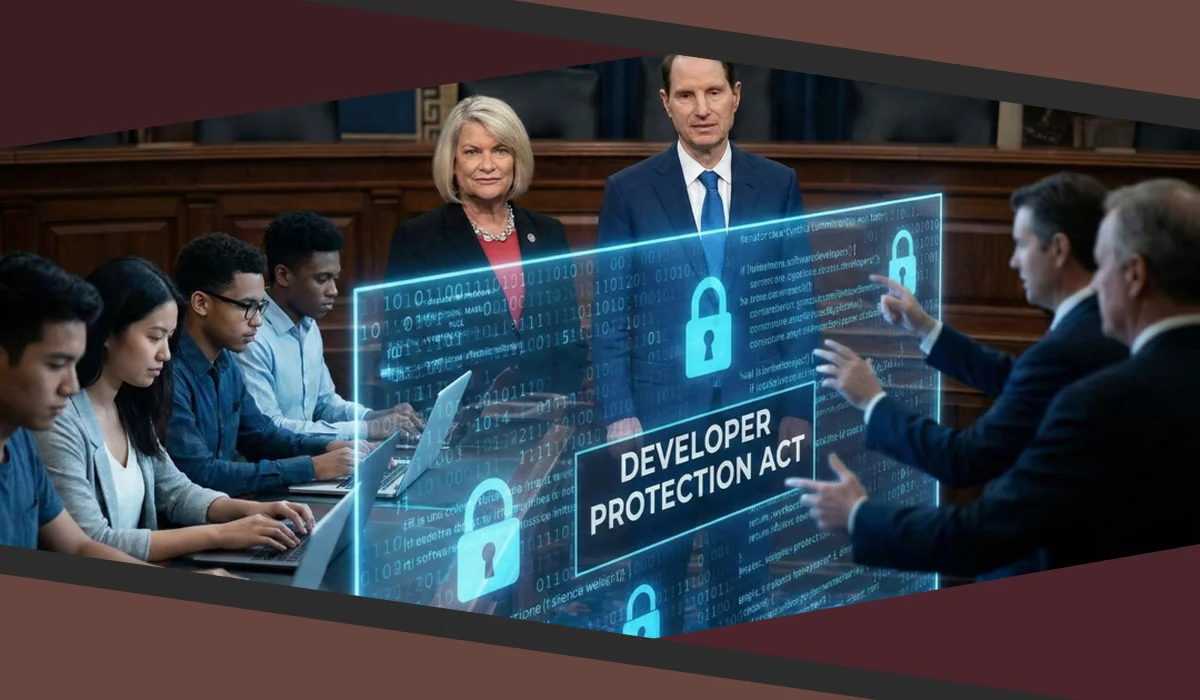
In a significant development within the evolving landscape of digital assets and blockchain technology, Senators Cynthia Lummis and Ron Wyden have taken steps to introduce legislative measures that aim to protect software developers and non-custodial service providers from certain financial regulations. Their initiative focuses on ensuring that the very code powering decentralized finance (DeFi) and other blockchain applications remains outside the scope of traditional financial oversight, thereby fostering innovation while mitigating regulatory overreach.
The Context Behind the Move
The debate over how to regulate emerging blockchain technologies, particularly decentralized platforms and smart contracts, has intensified in recent years. Regulatory agencies, most notably the Securities and Exchange Commission (SEC), have argued that facilitating trades or deploying autonomous smart contracts could trigger registration requirements as securities or brokers. This stance threatens to criminalize the deployment of decentralized code, potentially stifling innovation in the burgeoning crypto and blockchain sectors.
Recognizing these challenges, Senators Lummis and Wyden have intervened, proposing legal language that seeks to clarify the boundaries between coding activities and regulated financial intermediaries. Their legislative effort, part of broader efforts like the Blockchain Regulatory Certainty Act, aims to create a clear legal framework that distinguishes software development from financial services requiring licensing and compliance.
The “Code is Not Custody” Doctrine
The core of the senators’ proposal rests on the principle often summarized as “Code is Not Custody.” According to a statement on Lummis’s website, the legislation would specify that simply writing code, publishing software, or developing blockchain solutions does not automatically constitute engaging in regulated financial activities.
This distinction is crucial for DeFi developers, who often create autonomous smart contracts that facilitate trading, lending, or other financial functions without custodial responsibilities. Without such legal clarification, there is a risk that regulators might interpret these activities as equivalent to operating as a broker or money transmitter, exposing developers to unnecessary legal liabilities.
In essence, the proposed provisions would classify developers and non-custodial service providers as outside the scope of certain financial regulations unless they possess customer funds or actively control assets, thereby encouraging innovation while still maintaining safeguards against misuse.
Implications for Blockchain and Crypto Industry
- Legal Protection for Developers: The bill would protect open-source contributors, smart contract deployers, and blockchain developers from being held liable as financial intermediaries, provided they do not hold or control user assets.
- Clarifying Regulatory Boundaries: It offers a clearer framework for regulators and developers alike, reducing legal uncertainty that hampers innovation in decentralized applications.
- Potential Industry Growth: By establishing a clear legal firewall, the measure aims to foster a more predictable environment for entrepreneurs and startups operating within the crypto ecosystem.
Such protections are particularly important amid ongoing debates about the classification of DeFi projects and their compliance obligations, which could significantly influence the future development of blockchain-based financial services.
The Legislative Race Against Time
Senators Lummis and Wyden’s initiative occurs within a compressed legislative timeline. Both lawmakers have a history of bipartisan collaboration on digital asset policies, and their efforts on the Blockchain Regulatory Certainty Act reflect an urgent push to pass comprehensive legislation before the midterm election cycle potentially stalls progress in Congress.
The broader legislative package aims to bring order to cryptocurrency markets, regulate exchanges, and provide legal clarity for staking, stablecoins, and other innovations. However, without specific protections for developers and code, there is concern that the industry could face regulations that inadvertently ban the core technological primitives of decentralization.
If passed, the legislation would create a permanent legal distinction between “financial custody” and “software development,” effectively preventing agencies like the Treasury Department or SEC from deploying enforcement actions against open-source contributors based solely on their coding activities.
Conclusion
The move by Senators Lummis and Wyden to shield code from financial regulation underscores the ongoing tension between innovation-driven blockchain development and the traditional regulatory frameworks. By advocating for a legal recognition that “code is not custody,” they aim to foster a more supportive environment for decentralized technologies to flourish without undue legal burdens. As legislative negotiations continue, the outcome will significantly impact the evolution of digital assets and the broader crypto industry.
FAQs
What does “Code is Not Custody” mean?
This principle asserts that writing, deploying, or publishing blockchain code and smart contracts does not automatically make the developer a financial intermediary or subject to registration requirements unless they act as a custodian of user assets.
Why is this legislation important for developers?
It provides legal protections, ensuring developers are not held liable or regulated as financial institutions simply for creating autonomous code that facilitates blockchain transactions without holding customer funds.
Could this legislation prevent regulation of fraudulent or malicious projects?
While it clarifies protections for developers, it does not exempt bad actors engaged in fraud. Regulatory agencies can still pursue enforcement actions against malicious projects that violate existing laws.
When is this legislation expected to be finalized?
The legislation is under active negotiation and aims to pass before midterm elections, but legislative timelines can be unpredictable. Continued bipartisan support will be key to its success.
