
E.U. Suspends U.S. Trade Deal Amid Greenland
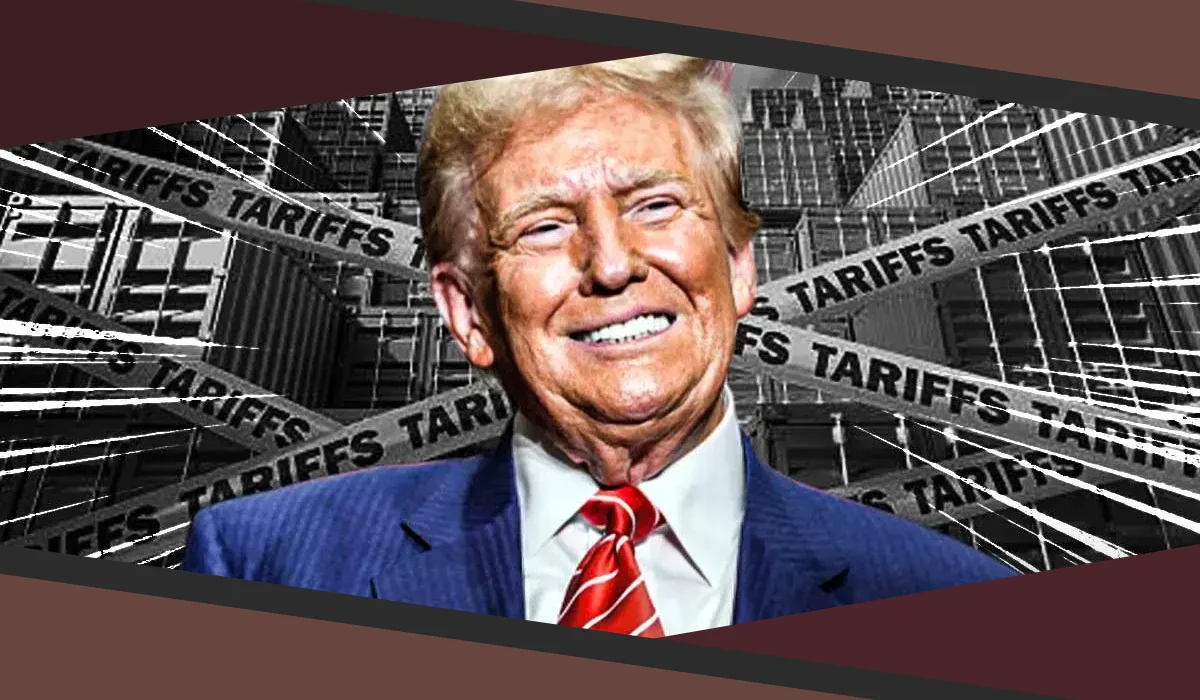
Recent developments in international trade relations have brought significant attention to the escalated tensions between the United States and the European Union (E.U.), particularly centered around U.S. tariff policies and geopolitical interests in Greenland. The keyword “Trump Tariffs” is at the heart of these unfolding events, highlighting how recent U.S. trade actions are influencing diplomatic and economic negotiations. This article explores the context behind the Trump tariffs, the E.U.’s response in suspending its trade deal with the U.S., and the broader implications for global trade and geopolitical stability.
Background: The Rise of Trump Tariffs and Global Trade Tensions
During Donald Trump’s presidency, one of the hallmark policies was the implementation of tariffs aimed at protecting American industries and reshaping trade agreements. These tariffs, often viewed as abrupt or unilateral, led to friction with multiple trading partners. The strategic motivation was to leverage trade policies as tools of diplomacy, potentially re-negotiating terms favorable to U.S. interests.
The “Trump tariffs” specifically refer to a series of levies imposed on imports from various countries, including the European Union nations. These actions heightened global trade tensions, prompting retaliatory measures and diplomatic disputes.
One of the most contentious points recently involved the U.S. plan to acquire Greenland, an autonomous Danish territory, which has garnered scrutiny and resistance from European nations. The U.S. interest in Greenland is driven by strategic, military, and resource considerations, raising diplomatic tensions with Europe.
The U.E. Response: Suspension of U.S. Trade Deal
Why Did the E.U. Suspend the Trade Deal?
The European Parliament and EU policymakers have responded to the escalating U.S. tariff threats and the Greenland controversy by suspending the approval process for a key trade agreement with the United States. During a recent press conference, Bernd Lange, Chairman of the International Trade Committee (INTA), confirmed that the EU has paused the approval process until clarity emerges regarding the Greenland situation and U.S. intentions.
The suspension stems from the EU’s concern that the U.S. plans to incorporate Greenland could contradict the terms of existing trade agreements and diplomatic protocols. Additionally, the EU has expressed displeasure over the threat of tariffs on European nations, which they view as a coercive tactic undermining the multilateral trade framework.
Key Factors Leading to the Suspension
- The recent threat by Trump to impose 10% tariffs on European exports such as France, Sweden, Denmark, Norway, Finland, the Netherlands, the U.K., and Germany, starting February 1.
- The potential escalation to a 25% tariff by June 1 if no accord is reached concerning Greenland’s geopolitical status.
- The U.S. president’s public statements reaffirming intentions to acquire Greenland, without revising his position during major forums like the Davos economic summit.
- The EU’s diplomatic stance emphasizing the importance of comprehensive negotiations before proceeding with trade deal ratification.
Implications for International Relations and Trade
The suspension of the U.S.-EU trade deal signifies a substantial shift in transatlantic relations, signaling that diplomatic disagreements over resource control and trade policies can directly impact economic agreements. The move exposes vulnerabilities in existing frameworks and underscores the fragility of international cooperation amid rising geopolitical tensions.
From an economic perspective, the tariffs threaten to disrupt the flow of goods and services, potentially leading to increased costs for consumers and businesses in both regions. The uncertainty surrounding Greenland’s status further adds complexity, as it influences not just the trade agreement but also geopolitical stability in the Arctic region.
Moreover, this stand-off could encourage other nations to adopt more protectionist policies, contributing to a broader global trend of trade fragmentation and reduced multilateral cooperation.
Broader Context: U.S. Strategy and Global Reactions
The Trump tariffs, especially those linked to the Greenland dispute, reflect a broader U.S. strategy of asserting its interests in the Arctic and challenging traditional alliances. President Trump’s approach has been characterized by a willingness to challenge established norms, sometimes risking diplomatic fallout.
European leaders and policymakers have responded with caution, advocating for dialogue and adherence to international agreements. The suspension of the trade deal is seen as a diplomatic leverage, aiming to prevent unilateral actions that could destabilize the geopolitical landscape.
International reactions from other global players suggest a cautious approach, with some emphasizing the need for multilateral negotiations to resolve conflicts diplomatically rather than through threats and sanctions.
Future Outlook and Potential Resolutions
The resolution of these tensions hinges on diplomatic negotiations and clarity over Greenland’s future. The EU’s suspension signals its readiness to withhold further commitments unless the U.S. reassesses its position and engages in meaningful dialogue.
Possible pathways include:
- Direct negotiations between the U.S. and European representatives to address Greenland’s sovereignty and resource rights.
- U.S. reassessment of tariffs and trade policies to reduce tensions and restore mutual trust.
- International mediators facilitating dialogue to prevent further escalation.
Absent a diplomatic breakthrough, further retaliations or sanctions may occur, potentially leading to a prolonged stand-off affecting global markets and stability.
Frequently Asked Questions
What are the main reasons behind the E.U.’s suspension of the U.S. trade deal?
The EU suspended the trade deal mainly because of concerns over U.S. plans to acquire Greenland and the threat of tariffs that could harm European exports. The diplomatic risk and potential violation of existing agreements prompted the pause.
Could the U.S. tariffs on Europe be lifted soon?
The tariffs’ removal depends on diplomatic negotiations and resolution of the Greenland dispute. As tensions escalate, a timely resolution remains uncertain.
How does Greenland factor into U.S. global strategy?
Greenland is strategically significant due to its Arctic location, potential resource wealth, and military importance. The U.S. aims to increase its influence in the region, which has led to the current disputes.
What might be the long-term effects of this diplomatic standoff?
If unresolved, it could lead to prolonged trade disruptions, strained alliances, and increased protectionism among major powers, impacting global economic stability.
Conclusion
The situation surrounding “Trump tariffs” and the E.U.’s suspension of U.S. trade agreements underscores the complex interplay between economic policies, geopolitics, and international diplomacy. As tensions over Greenland and trade tariffs persist, the international community watches closely, recognizing that the outcomes will shape future diplomatic and economic landscapes. Continued dialogue and strategic negotiations are essential to prevent further escalation and foster stability in these critical regions.
