
How $TRUMP Memecoin Left 1 Million Investors Down $3.8 Billion as Trump Earned $636 Million
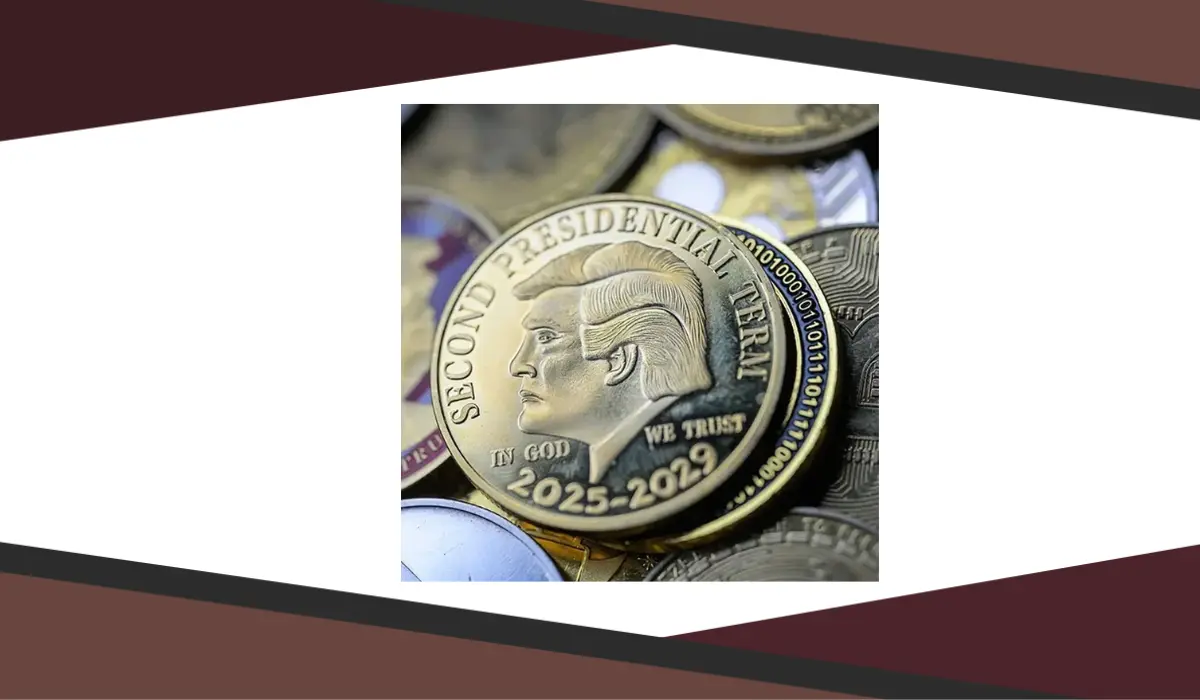
The dramatic rise and fall of the $TRUMP memecoin has emerged as one of the most controversial episodes in the cryptocurrency industry. Marketed during the height of the political and digital asset boom, the Solana-based token attracted hundreds of thousands of retail investors seeking quick gains from a high-profile cryptocurrency linked to U.S. President Donald Trump. Instead, blockchain data now indicates that nearly one million investors collectively lost approximately $3.8 billion while Trump earned an estimated $636 million through royalties and licensing associated with the project.
The figures have reignited debates over investor protection, cryptocurrency regulation, political conflicts of interest, and the risks associated with celebrity-backed digital assets. Market analysts describe the episode as one of the largest wealth transfers in the memecoin sector, where early holders and project insiders benefited significantly while late retail participants absorbed substantial losses.
The Rise of the $TRUMP Memecoin
The $TRUMP memecoin launched in January 2025 on the Solana blockchain, capitalizing on Trump’s growing support for cryptocurrencies and his campaign’s pro-digital asset stance. Unlike traditional cryptocurrencies designed to provide technological utility, memecoins primarily derive their value from online communities, social media momentum, and speculative trading.
Within days of its launch, the token experienced an extraordinary rally, reaching an all-time high of more than $75 per token. The rapid appreciation pushed its fully diluted valuation into the tens of billions of dollars, attracting both experienced crypto traders and first-time retail investors hoping to profit from the unprecedented surge.
The excitement surrounding the token reflected broader enthusiasm for politically themed cryptocurrencies, particularly as digital assets gained renewed mainstream attention following expectations of a more crypto-friendly regulatory environment.
Nearly One Million Investors Left Underwater
The speculative momentum proved unsustainable. According to blockchain analytics firm Nansen, approximately 988,905 wallets that purchased the $TRUMP memecoin are now sitting on combined unrealized and realized losses totaling roughly $3.81 billion.
The token has declined by more than 95% from its peak price, leaving roughly two-thirds of holders underwater. While cryptocurrency volatility is common, analysts argue that the scale of losses makes the $TRUMP collapse one of the largest retail wealth destruction events in the memecoin market.
Blockchain records also reveal a familiar pattern seen across speculative digital assets. Early participants accumulated substantial profits before the broader public entered the market, while later investors purchased tokens near peak valuations and subsequently absorbed the steep decline.
Trump’s $636 Million Windfall
While retail investors experienced billions in losses, Trump’s financial disclosures paint a dramatically different picture. Recent filings indicate that he earned approximately $635 million to $636 million through royalties connected to the $TRUMP memecoin, making it one of his largest single revenue sources from cryptocurrency.
Those earnings contributed significantly to more than $1 billion in crypto-related income disclosed during the latest financial reporting period, alongside substantial proceeds from other blockchain ventures, including World Liberty Financial.
Financial experts note that Trump’s earnings were generated primarily through licensing agreements and royalties rather than speculative token trading, allowing him to profit regardless of the token’s long-term market performance.
How Early Wallets Captured the Wealth
On-chain analysis demonstrates the unequal distribution of gains throughout the token’s lifecycle. While nearly one million retail wallets recorded losses, fewer than half a million mostly early wallets collectively captured around $4 billion in gains.
This outcome reflects the mechanics commonly associated with speculative memecoins. Early holders acquire tokens at minimal prices before widespread publicity drives demand. As new buyers enter the market, early investors realize profits by selling into rising prices.
Such wealth concentration has intensified criticism that celebrity-backed memecoins disproportionately reward insiders and sophisticated traders while exposing inexperienced investors to extreme downside risk.
Growing Ethical and Regulatory Questions
The financial outcome has intensified scrutiny from ethics watchdogs, lawmakers, and cryptocurrency policy experts. Critics argue that the combination of presidential influence and personal financial interests creates unprecedented ethical challenges, particularly when digital assets linked to public officials attract retail investment.
Several observers have questioned whether stronger disclosure requirements or additional safeguards should apply to public figures promoting financial products. Although no court has determined that the $TRUMP memecoin violated existing laws, critics contend that current regulations have struggled to keep pace with rapidly evolving crypto markets.
The White House has maintained that Trump’s financial interests are independently managed and has rejected allegations of improper conduct. Nevertheless, the controversy has complicated broader legislative efforts aimed at establishing comprehensive cryptocurrency regulations in the United States.
What the Collapse Means for Crypto Investors
The $TRUMP memecoin serves as another reminder that memecoins remain among the most speculative segments of the cryptocurrency market. Unlike Bitcoin or Ethereum, which maintain established ecosystems and broader institutional participation, memecoins often depend almost entirely on social sentiment, viral marketing, and celebrity influence.
Analysts emphasize that blockchain transparency allows researchers to reconstruct trading activity in detail, making it possible to quantify wealth transfers between different classes of investors. The $TRUMP data illustrates how rapid price appreciation can encourage fear-of-missing-out buying before equally dramatic corrections erase billions in market value.
Risk management experts continue to advise investors to evaluate token fundamentals, ownership concentration, liquidity, and project governance before committing capital to highly speculative assets.
Conclusion
The collapse of the $TRUMP memecoin represents one of the most consequential cautionary tales in modern cryptocurrency markets. Nearly one million investors now face collective losses approaching $3.8 billion, while Trump earned approximately $636 million through royalty arrangements tied to the project. The stark contrast has fueled debates over financial ethics, political accountability, and investor protection.
Beyond the headline figures, the episode highlights the structural risks embedded within celebrity-driven cryptocurrencies. As regulators continue evaluating digital asset oversight and investors reassess speculative opportunities, the $TRUMP memecoin may ultimately become a defining case study illustrating how hype-driven markets can generate enormous fortunes for a select few while leaving the majority of participants with significant financial losses.
